As a Pelvic Floor PT (and a Mom), These Are the Habits I’m Not Passing Down to My Kids
If you’re a mom, chances are you’ve said (or heard):
“Go pee before we leave.”
“Just in case.”
“Try harder.”
“Push.”
These phrases are so normal, we rarely question them.
But as a pelvic floor physical therapist—and a mom—I think about something different:
Are we teaching our kids to trust their bodies… or ignore them?
Because many of the bladder, bowel, and pelvic floor issues I treat in women didn’t start in adulthood.
They started with habits—well-intentioned ones—that were learned early and repeated for years.
This isn’t about guilt.
It’s about awareness—and breaking the cycle.
Here are a few things I’m consciously not doing with my kids (and why).

1. I Don’t Make My Kids “Just in Case” Pee
It seems harmless. Even responsible.
But here’s the problem:
When kids are taught to pee before they feel the urge, they start to disconnect from their body’s natural signals.
Over time, this can:
Disrupt normal bladder timing
Increase urgency and frequency
Create anxiety around needing a bathroom “just in case”
Instead, I want my kids to learn:
Your body will tell you when it’s time. You can trust it.
Of course, there are practical moments (long car rides, limited bathroom access), but the goal isn’t fear-based peeing, it’s body awareness.

2. I Don’t Wake a Sleeping Child to Pee
This is a big one, especially during potty training.
Waking a child in the middle of the night to pee might seem like it prevents accidents—but it actually bypasses a really important developmental process.
Nighttime bladder control is:
Neurologically driven
Hormone regulated
Something the body learns on its own timeline
When we intervene too much, we’re not teaching control—we’re interrupting it.
Instead, I trust that:
Their body will learn when it’s ready.

3. I Will Teach My Daughter That Period Pain Isn’t “Normal”
So many women grow up believing:
“Cramps are just part of being a woman.”
But pain that:
Stops you from going to school or work
Requires constant medication
Feels debilitating
…is common, not normal.
And more importantly—it’s treatable.
Pelvic floor dysfunction, muscle tension, coordination issues, and even breathing patterns can all contribute to menstrual pain.
I want my daughter to know:
If something feels off, we don’t ignore it, we explore it and get help.
4. I Encourage Breathing—Not Pushing—When Pooping
This is one of the most overlooked habits we teach (often unintentionally).
“Push harder.”
That cue alone can lead to:
Chronic straining
Pelvic floor dysfunction
Hemorrhoids
Constipation patterns that persist into adulthood
Instead, I teach:
Slow, steady breathing
Letting the belly expand
Relaxing instead of forcing
Because bowel movements should be:
Coordinated, not forced.

5. I’m Teaching My Kids to Listen to Their Bodies (Not Override Them)
This is the bigger picture.
We don’t need perfect habits.
We need awareness and trust.
That means:
Not ignoring urges
Not forcing when the body isn’t ready
Not creating fear around accidents
Not normalizing discomfort as something to “just deal with”
Because when kids learn to disconnect from their bodies early…
it’s much harder to reconnect later.
Why This Matters
At Empower PT & Wellness, we see women every day who are:
Dealing with urgency, leaking, or constipation
Struggling with painful periods or pain with intimacy
Frustrated because they were told “this is just how your body is”
And so often, the root isn’t just pregnancy or aging.
It’s years of learned habits.
The good news?
Those habits can be unlearned.
And even better—
we can start teaching something different to the next generation.
You don’t have to do everything perfectly.
But small shifts—like not forcing a “just in case” pee or encouraging better bathroom habits—can make a big difference over time.
Because the goal isn’t just raising independent kids.
It’s raising kids who:
Trust their bodies.
Understand their bodies.
And know how to take care of them.
If this resonates with you and you’re dealing with bladder, bowel, or pelvic floor symptoms yourself—just know:
You’re not stuck with it.
And you don’t have to figure it out alone.
Ready to feel like yourself again?
We’re here to help you understand what’s going on—and what to do about it.
Your Pelvic Floor Deserves Lifelong Care
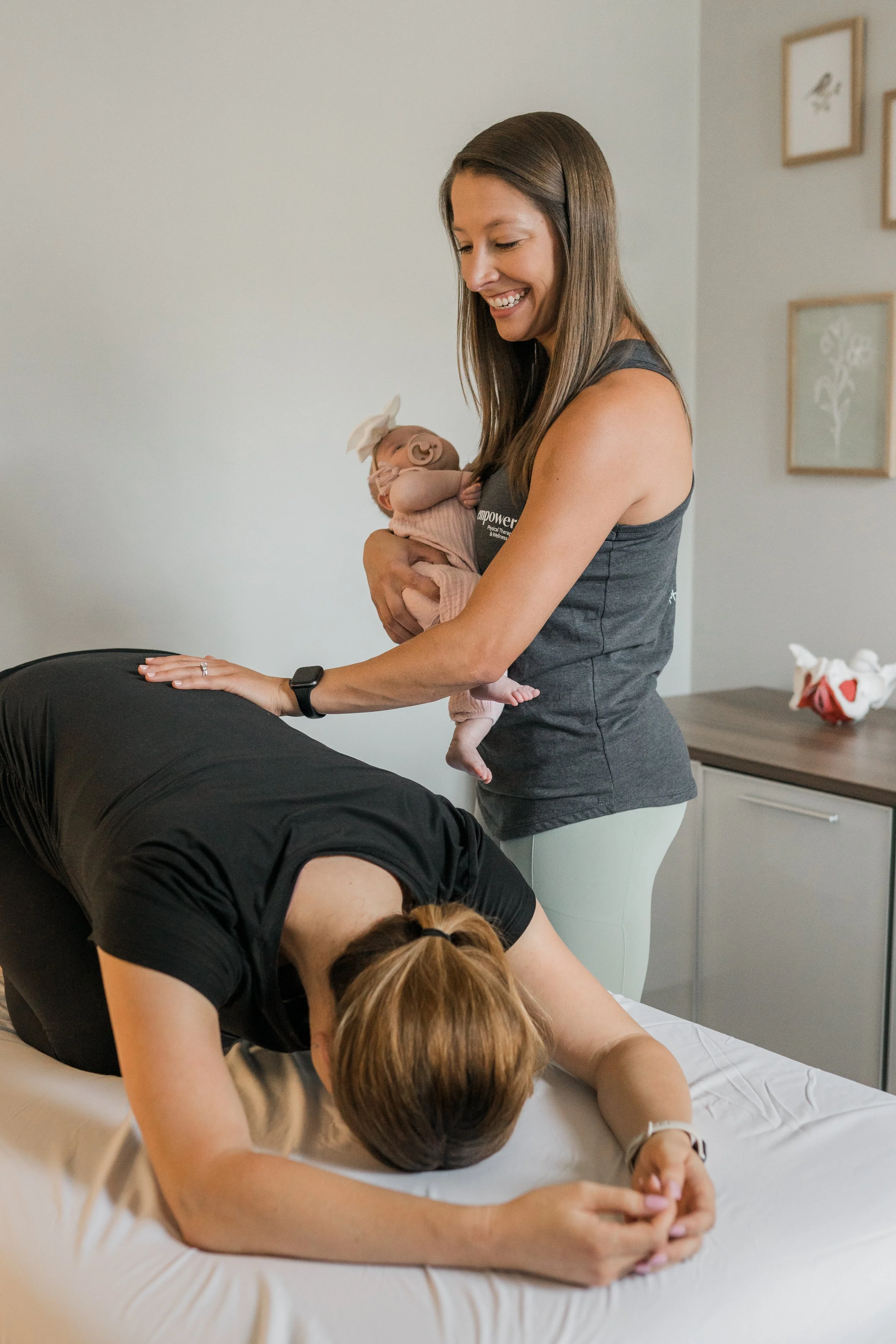
Your body is strong, adaptive, and always capable of healing. You don’t need to settle for discomfort, hide symptoms, or assume it’s “just part of being a woman.”
Pelvic floor therapy is a powerful tool for lifelong wellness, not just during pregnancy and postpartum.
If you’re curious, concerned, or simply want to feel more connected to your body, we’d love to support you.
This year, let’s go beyond pregnancy and postpartum and embrace pelvic health as an essential part of a woman’s entire life story.

Hi! We are Dr.Aimee and Dr. Lauren
We are the owners of Empower Physical Therapy and Wellness. We are pelvic floor physical therapists who specialize in helping women from pregnancy, into postpartum and through perimenopause, menopause and then beyond! We believe all women deserve to do all of the things they love without symptoms!
You can contact us via our website, email at hello@weempowerpt.com or social media!
The information provided in this blog is for educational and informational purposes only and is not intended as medical advice. Always seek the advice of your physician or other qualified health provider with any questions you may have regarding a medical condition or symptoms. Never disregard professional medical advice or p in seeking it because of something you have read on this blog.
If you think you may have a medical emergency, call your doctor, go to the emergency department, or call 911 immediately. The opinions expressed in this blog are those of the author and do not necessarily reflect the views of any medical or healthcare institutions.