Pregnancy and Hemorrhoids: Why They Happen and How to Find Relief
Let’s Talk About Something No One Wants to Talk About: Hemorrhoids
If you’re pregnant, chances are you’ve heard about hemorrhoids—or maybe you’re dealing with them yourself. They’re common, uncomfortable, and definitely not something anyone wants to experience on top of everything else your body is already going through.
The good news? There are steps you can take to make things easier. In this post, we’ll go over what hemorrhoids actually are, why they’re so common during pregnancy, and simple strategies to help reduce your risk (and your discomfort).
What Are Hemorrhoids?

Hemorrhoids are swollen veins in the rectal area. There are two main types:
Internal hemorrhoids: located inside the rectum
External hemorrhoids: develop under the skin around the anus
Common symptoms include pain or discomfort, itching, and bleeding. Not fun, right? The good news is that while hemorrhoids are very common during pregnancy, there are ways to help prevent them or lessen their severity.
Why Are Hemorrhoids So Common During Pregnancy?
There are a few key reasons hemorrhoids tend to show up when you’re expecting—and most of them come down to how your amazing body is adapting to support a growing baby.
1. Hormonal changes
During pregnancy, your body produces more progesterone, which relaxes the walls of your blood vessels. This allows them to expand to handle increased blood flow. It’s a normal and necessary process, but those relaxed vessel walls can stretch more easily, making them prone to swelling.
2. Increased pressure from your growing uterus
As your uterus expands, it puts pressure on the veins in your pelvis and rectum. That extra pressure makes it harder for blood to flow back up toward your heart, which can cause veins to swell. While we can’t stop your uterus from growing (that’s kind of the goal!), we can strengthen and support the surrounding muscles to reduce how much downward pressure ends up on those veins.
3. Pressure mismanagement in your abdomen
We don’t often think about how our bodies manage internal pressure, but it’s happening constantly—when we breathe, move, or engage our core. Ideally, that pressure is evenly distributed throughout your abdomen, not pushed downward toward your pelvic floor and rectum. Learning to manage this well can make a big difference in hemorrhoid prevention.
4. Constipation
Constipation is extremely common during pregnancy. When stool stays in the rectum too long, it puts strain on the veins. On top of that, the harder it is to pass a bowel movement, the more likely you are to push and strain—further increasing pressure in the pelvic area.
When you combine increased pelvic pressure, hormonal changes, and constipation, hemorrhoids can easily follow.
5. Straining on the Toilet
Holding your breath, pushing, or “bearing down” creates downward pressure directly into the pelvic floor and rectal veins.
6. Prolonged Sitting or Standing
Both can increase pelvic pressure and reduce circulation—two things hemorrhoids love.
Habits to Help Decrease Hemorrhoids
The good news is that small daily routine changes can make a huge difference.
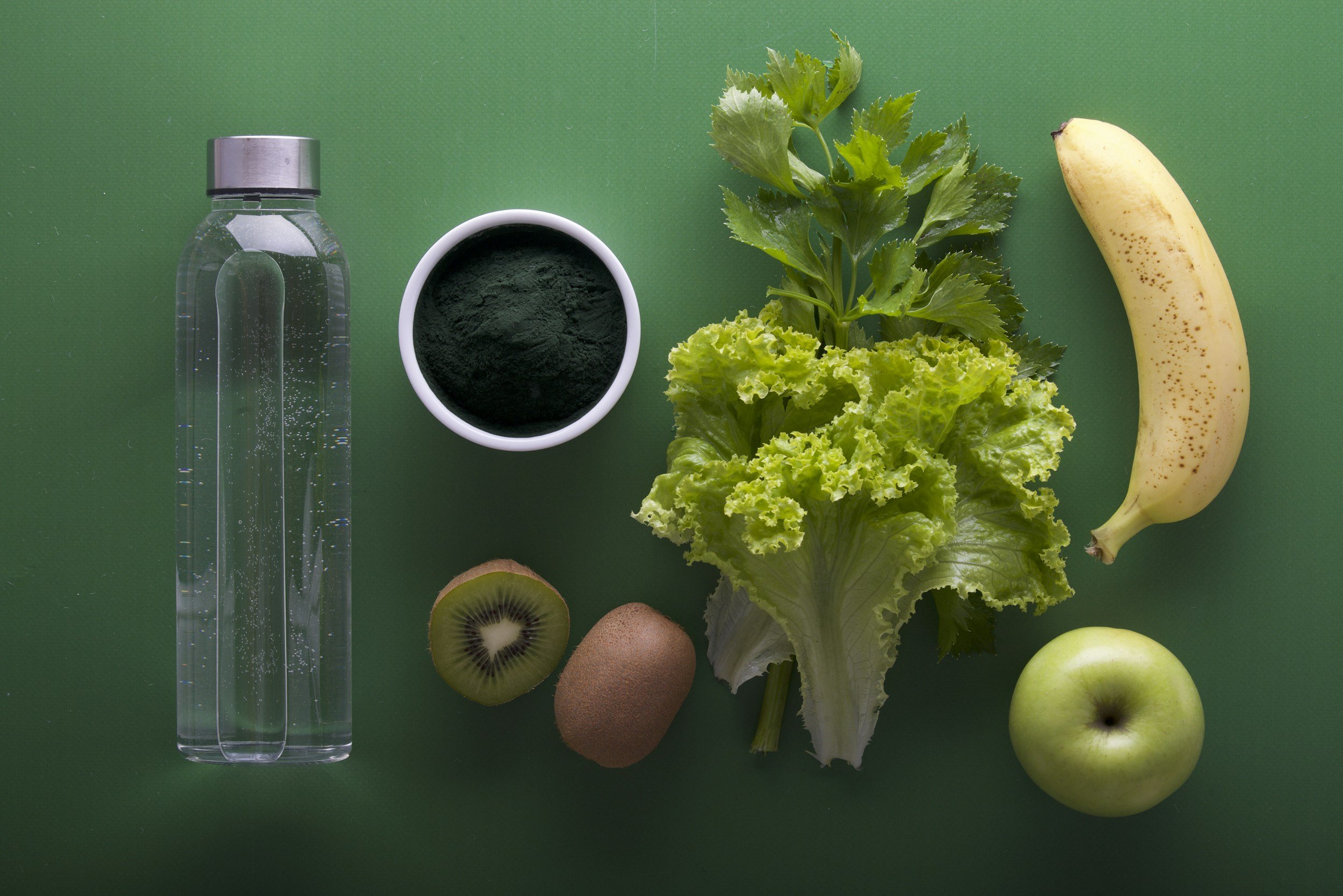
Nutrition Tips
Eat more fiber: fruits, veggies, oatmeal, chia seeds, beans, whole grains.
Stay hydrated: aim for steady water intake throughout the day.
Together, fiber + water = easier bowel movements and less strain.
Better Bathroom Habits
Go when you feel the urge—don’t hold it. This prevents stool from becoming harder.
Avoid straining or breath-holding (that “purple pushing”).
Limit toilet time: long scrolling sessions on the toilet increase downward pressure… even if you’re not actively pushing.
Use a stool under your feet (like a Squatty Potty): this opens the anorectal angle, making things easier and less painful.
Lifestyle Habits
Move your body throughout the day. Gentle movement supports healthy digestion and blood flow.
Rest in supported positions: side-lying is better than prolonged flat-on-your-back.
Avoid sitting or standing in one position for too long. A few minutes of walking every hour helps circulation.
Exercises to Support Prevention
You don’t need an intense workout routine—just gentle, targeted movement that supports pelvic pressure, circulation, and mobility.
2. 360° / Deep Diaphragmatic Breathing
4. Core + Glute Strengthening
5. Gentle Mobility
When to Reach Out for Help
It’s always okay to ask for help—especially if:
Your hemorrhoids are very painful
You’re bleeding more than expected
Things aren’t improving with diet or habit changes
You’re dealing with constipation or pelvic pressure regularly
Pelvic floor physical therapy can be a game changer during pregnancy. At Empower Physical Therapy & Wellness, we help with:
Bowel mechanics
Pressure management
Pelvic floor relaxation
Core and hip strength
Posture adjustments
Strategies to prevent worsening symptoms
You don’t have to navigate this alone.
Hemorrhoids are common in pregnancy, but they’re not something you just have to live with. With the right habits, gentle exercises, and a little support, you can significantly lower your risk and stay more comfortable throughout your pregnancy.
If you’re struggling with hemorrhoids, constipation, pelvic pressure, or any other pregnancy-related discomforts, we’re here for you.
Pelvic floor PT can help you feel better, move better, and enjoy your pregnancy with more confidence.
Reach out to Empower PT & Wellness to get the support your body deserves.

Hi! We are Dr.Aimee and Dr. Lauren
We are the owners of Empower Physical Therapy and Wellness. We are pelvic floor physical therapists who specialize in helping women from pregnancy, into postpartum and through perimenopause, menopause and then beyond! We believe all women deserve to do all of the things they love without symptoms!
You can contact us via our website, email at hello@weempowerpt.com or social media!
The information provided in this blog is for educational and informational purposes only and is not intended as medical advice. Always seek the advice of your physician or other qualified health provider with any questions you may have regarding a medical condition or symptoms. Never disregard professional medical advice or delay in seeking it because of something you have read on this blog.
If you think you may have a medical emergency, call your doctor, go to the emergency department, or call 911 immediately. The opinions expressed in this blog are those of the author and do not necessarily reflect the views of any medical or healthcare institutions.