Why Do I Always Feel Like I Need to Pee After I Just Went?
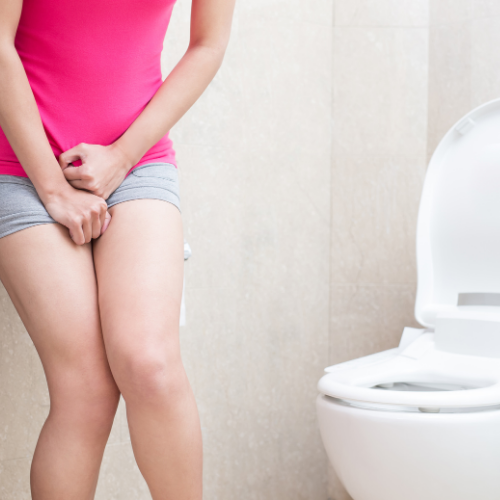
You just used the bathroom. You washed your hands, walked away, and suddenly feel like you need to pee again.
Sound familiar?
If you constantly feel the urge to urinate shortly after emptying your bladder, you are not alone. Many women experience urinary urgency or the sensation that they never completely emptied their bladder. While this can be frustrating—and sometimes even anxiety-provoking—it is important to know that this is not something you simply have to live with.
Let's discuss some of the common reasons you may always feel like you need to pee and how pelvic floor physical therapy may help.

How Often Should You Pee?
First, let's talk about what is considered normal.
Most healthy adults urinate approximately 6-8 times per day and may wake to urinate 0-1 times overnight.
Of course, this can vary depending on factors such as:
Fluid intake
Caffeine or alcohol consumption
Exercise
Medications
Pregnancy
Medical conditions
If you are using the bathroom every hour, planning your day around bathroom locations, or constantly feeling the urge to go despite recently emptying your bladder, it may be worth taking a closer look.

Why Do I Still Feel Like I Have to Pee?
1. Your Pelvic Floor Muscles May Be Too Tight
Many people assume bladder symptoms are always caused by weakness, but this is not always the case.
Your pelvic floor muscles wrap around the urethra (the tube that allows urine to leave the body). When these muscles are overly tight, tense, or unable to fully relax, they may make it difficult to completely empty your bladder.
As a result, you may:
Feel like you still have urine left after peeing
Need to return to the bathroom shortly after going
Experience urinary urgency or frequency
Have difficulty starting your urine stream
Think of it like trying to squeeze toothpaste out of a tube while someone is pinching the end closed. If the muscles surrounding the urethra cannot relax, emptying becomes much less efficient.

2. You May Have Trained Your Bladder to Signal Too Soon
Do you find yourself going to the bathroom "just in case" before leaving the house, dropping your kids off, or starting a workout?
While this habit seems harmless, frequent "just in case" peeing can actually teach your bladder that it should empty before it is truly full.
Over time, your bladder may begin sending urgency signals at lower and lower volumes, making you feel like you constantly need to pee.
The good news? Your bladder can often be retrained.
3. Certain Foods and Drinks May Be Irrating Your Bladder
Some foods and beverages can irritate the bladder lining and increase feelings of urgency and frequency.
Common bladder irritants include:
Coffee and caffeine
Carbonated beverages
Alcohol
Artificial sweeteners
Citrus fruits
Spicy foods
This does not mean you need to eliminate these foods forever. However, noticing patterns between what you consume and your symptoms can be helpful.
Additionally, many people decrease their water intake in an attempt to reduce bathroom trips. Ironically, drinking too little water often makes symptoms worse because concentrated urine can irritate the bladder.
4. Stress and Anxiety Can Play a Role
Have you ever noticed that your urgency symptoms are worse when you are stressed?
You're not imagining it.
Stress and anxiety can increase muscle tension throughout the body, including the pelvic floor. They can also make us more aware of bladder sensations, causing us to interpret normal bladder filling as an urgent need to urinate.
Many people notice that urgency symptoms improve when they learn strategies to calm the nervous system and coordinate breathing with pelvic floor relaxation.
5. Your Body May Not Be Managing Pressure Well
Your pelvic floor works closely with your diaphragm, abdominal muscles, and deep core muscles to manage pressure within the body.
When this system is not functioning efficiently, extra pressure may be placed on the bladder and pelvic floor, contributing to symptoms such as:
Urinary urgency
Frequent urination
Leakage
Pelvic heaviness or pressure
This is one reason why pelvic floor physical therapy often involves much more than just Kegel exercises.
How Can Pelvic Floor Physical Therapy Help?
At Empower Physical Therapy & Wellness, we take a whole-body approach to bladder symptoms.
Treatment may include:
✔️ Improving pelvic floor relaxation and coordination
✔️ Bladder retraining strategies
✔️ Breathing and pressure management techniques
✔️ Addressing core, hip, and mobility limitations
✔️ Education on healthy bladder habits
✔️ Gradually returning to the activities you love
Many women are surprised to learn that they do not have to accept bladder urgency or frequent bathroom trips as a normal part of life.
When Should You Seek Help?
Consider speaking with a pelvic floor physical therapist if you:
Feel like you never fully empty your bladder
Urinate more than 8 times per day
Frequently experience sudden urges to urinate
Plan your day around bathroom access
Avoid activities because of bladder symptoms
Are tired of always wondering where the nearest bathroom is
Bladder symptoms are common, but they are not normal—and they are often treatable.
If you are ready to stop letting your bladder control your life, pelvic floor physical therapy may help.
Your Pelvic Floor Deserves Lifelong Care
Your body is strong, adaptive, and always capable of healing. You don’t need to settle for discomfort, hide symptoms, or assume it’s “just part of being a woman.”
Pelvic floor therapy is a powerful tool for lifelong wellness, not just during pregnancy and postpartum.
If you’re curious, concerned, or simply want to feel more connected to your body, we’d love to support you.
This year, let’s go beyond pregnancy and postpartum and embrace pelvic health as an essential part of a woman’s entire life story.

Hi! We are Dr.Aimee and Dr. Lauren
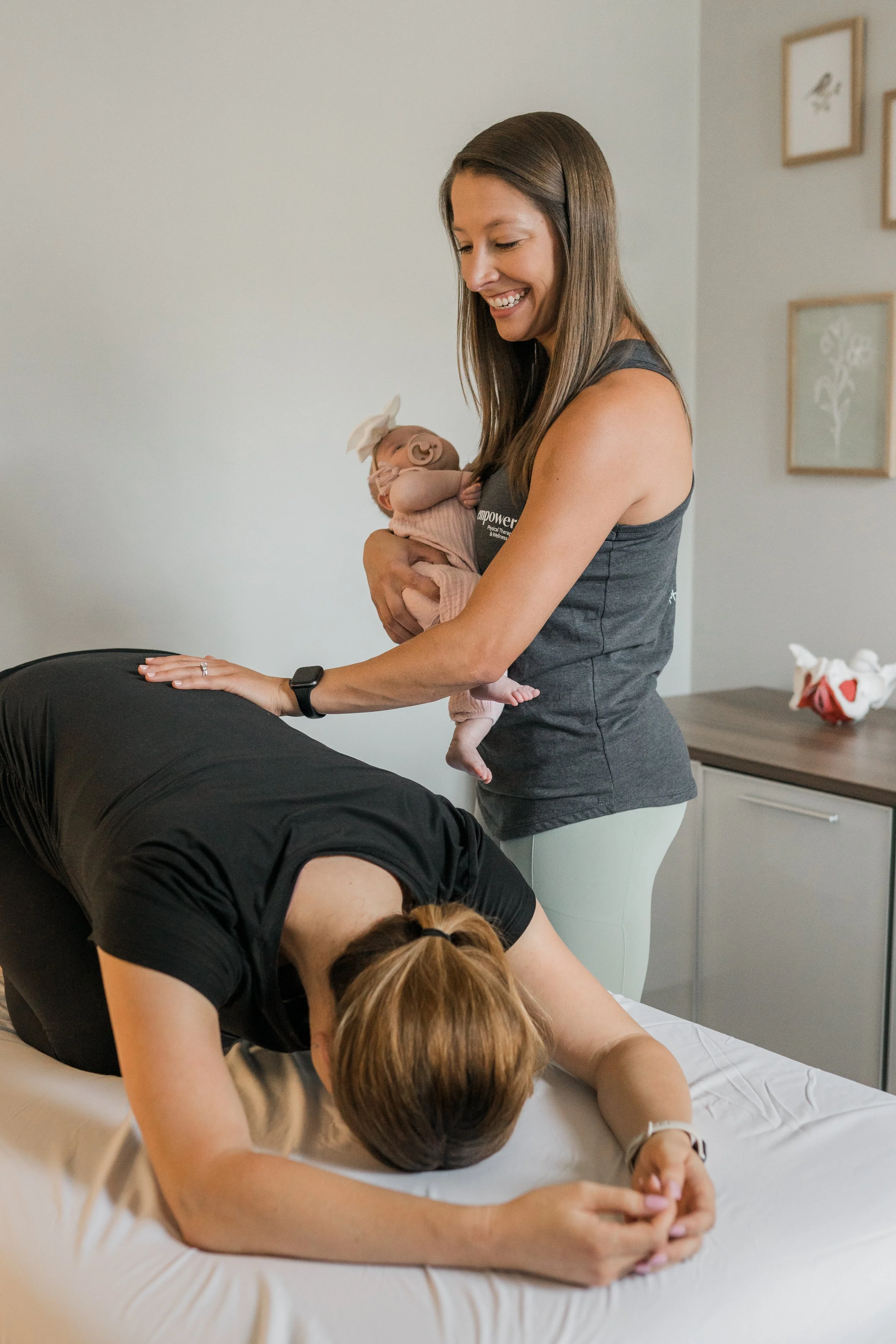
We are the owners of Empower Physical Therapy and Wellness. We are pelvic floor physical therapists who specialize in helping women from pregnancy, into postpartum and through perimenopause, menopause and then beyond! We believe all women deserve to do all of the things they love without symptoms!
You can contact us via our website, email at hello@weempowerpt.com or social media!
The information provided in this blog is for educational and informational purposes only and is not intended as medical advice. Always seek the advice of your physician or other qualified health provider with any questions you may have regarding a medical condition or symptoms. Never disregard professional medical advice or p in seeking it because of something you have read on this blog.
If you think you may have a medical emergency, call your doctor, go to the emergency department, or call 911 immediately. The opinions expressed in this blog are those of the author and do not necessarily reflect the views of any medical or healthcare institutions.