Does Lifting Weights Make Prolapse Worse?
Short Answer: Not Necessarily.
One of the first questions we hear after someone is diagnosed with pelvic organ prolapse is:
"Do I have to stop lifting weights?"
Our answer is almost always...
No.
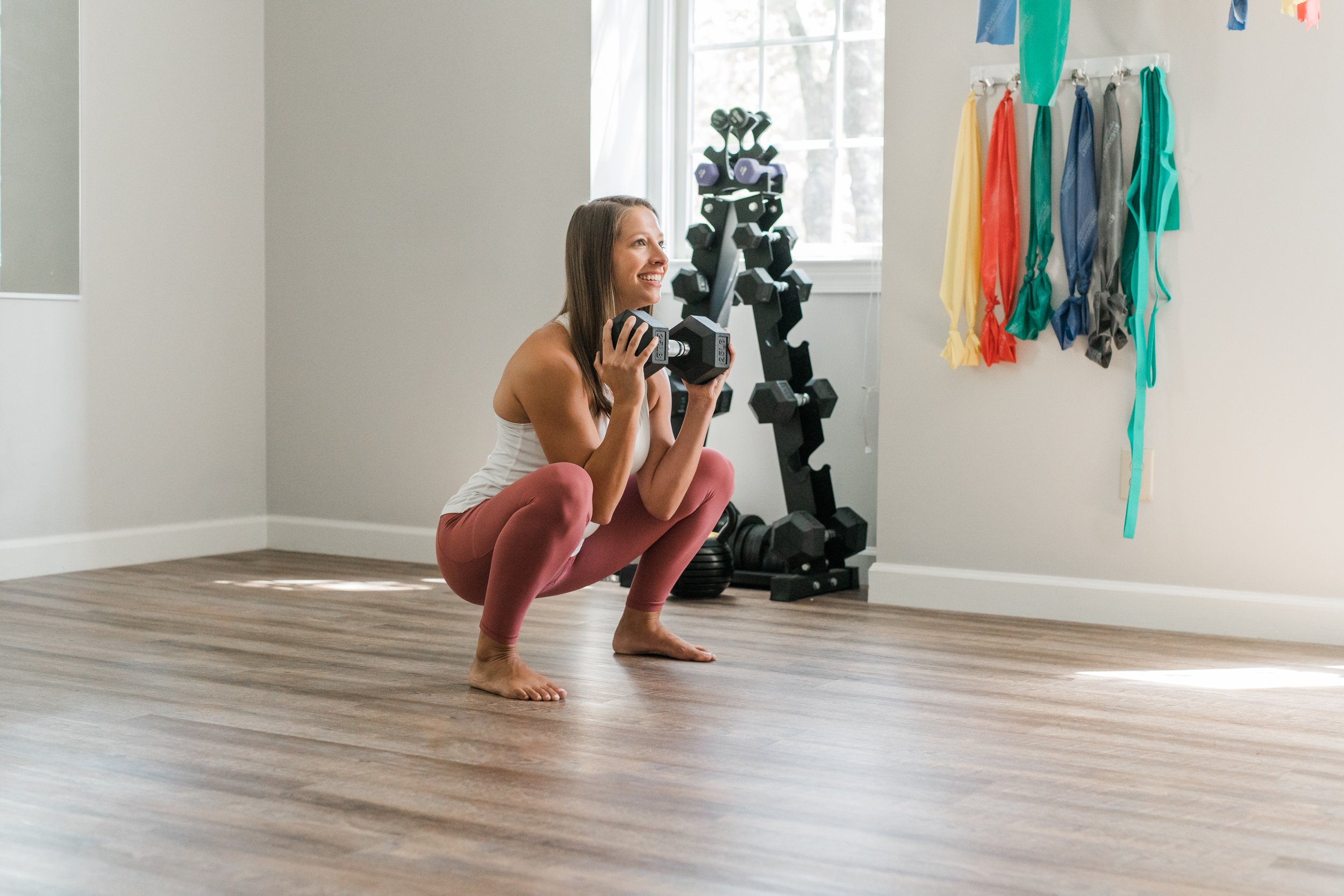
In fact, for many women, the goal isn't to stop exercising—it's to learn how to exercise in a way that supports your pelvic floor instead of overloading it.
Let's break down why.
First, What Is Prolapse?
Pelvic organ prolapse occurs when the bladder, uterus, or rectum descend into the vaginal canal because the support system of the pelvis isn't managing pressure as efficiently as it could.
Many women notice symptoms like:
A feeling of heaviness or pressure
A bulge at the vaginal opening
Increased leaking
Difficulty emptying the bladder
Symptoms that worsen after long days on your feet or intense workouts
Here's the important part:
Having prolapse does not automatically mean your body is fragile.

The Biggest Myth
Many women are told:
"Don't lift anything heavy."
While this advice is well intentioned, it's often too simplistic.
Think about your daily life.
You lift:
Groceries
Laundry baskets
Toddlers
Car seats
Dog food
Suitcases
Avoiding heavy things altogether isn't realistic.
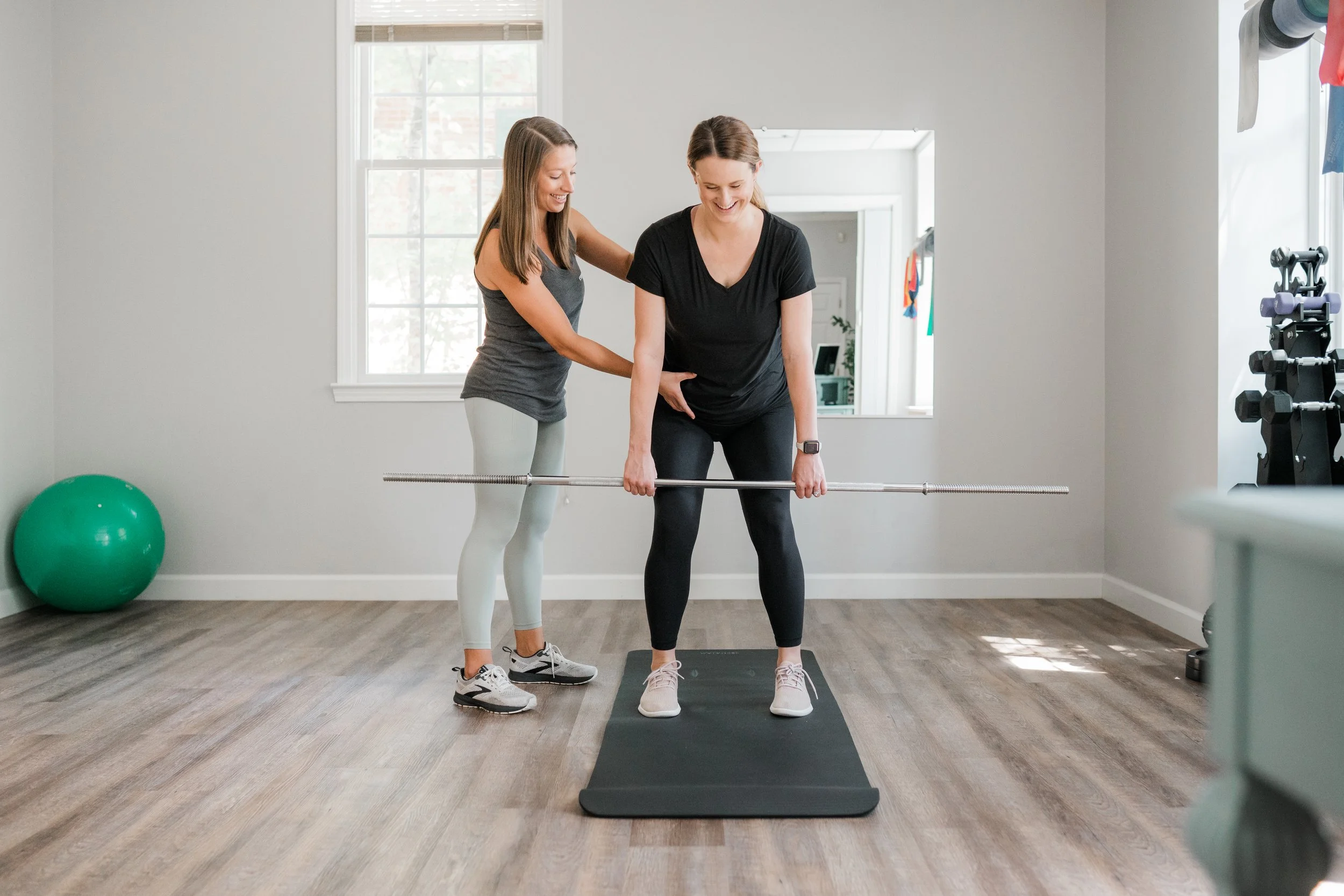
Instead, we want to teach your body how to manage pressure during lifting and be better prepared for your daily tasks
It's Not Just About the Weight
Two women can both squat 100 pounds.
One feels completely fine.
The other experiences heaviness after every set.
Why?
Because it's often not the amount of weight that matters most—it's how your body handles the pressure created during the lift.
Things that influence pressure include:
Holding your breath
Bearing down during exertion
Poor core coordination
Limited hip mobility
Pelvic floor muscles that aren't coordinating well with the rest of the core
The goal isn't simply to strengthen your pelvic floor.
The goal is to improve timing, coordination, breathing, and pressure management.
What We Teach Instead
At Empower Physical Therapy & Wellness, we don't simply tell women what to avoid.
We help them learn how to move confidently.
Depending on your symptoms, this may include:
✔ Learning to breathe during lifts
✔ Coordinating your deep core and pelvic floor
✔ Improving lifting mechanics
✔ Building hip and core strength
✔ Gradually progressing heavier loads
✔ Knowing when symptoms are telling you to modify—not stop
Our goal is to help you return to the activities you enjoy with confidence.
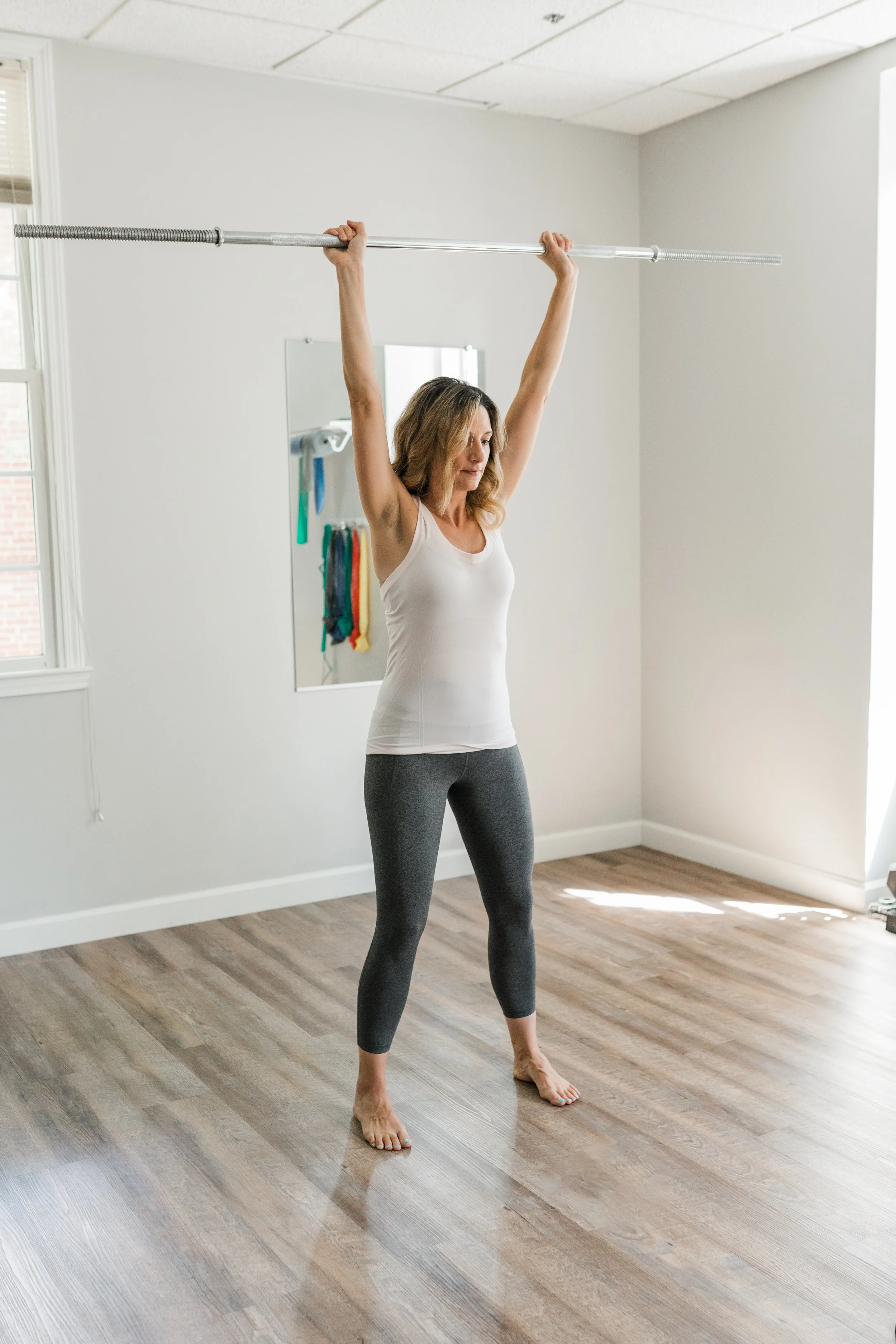
Does That Mean You Can Lift Heavy?
For many women...
Yes.
Research continues to show that exercise and resistance training are beneficial for overall health, bone density, muscle mass, and healthy aging.
The key is making sure your body has the capacity to handle the demands you're placing on it.
That doesn't mean every exercise is appropriate for every person on every day—but it also doesn't mean you should fear lifting forever.
When Should You Modify?
You may benefit from seeing a pelvic floor physical therapist if you notice:
Increased vaginal heaviness during workouts
A bulge that becomes more noticeable after lifting
Leaking with squats, deadlifts, or jumping
Pelvic pressure that lasts for hours afterward
You're avoiding exercise because you're afraid of making things worse
These symptoms don't necessarily mean damage is occurring, but they are your body's way of telling you that something needs to change.
Our Philosophy
We believe women deserve better than being told to "just stop exercising."
Our goal is to help you understand your body, improve how it manages pressure, and build strength that supports the life you want to live.
Whether your goal is carrying your grandchild, completing a CrossFit workout, running a 5K, or simply lifting groceries without discomfort, pelvic floor physical therapy can help you get there.
Ready to Feel Strong Again?
If prolapse is keeping you from the gym—or making you nervous every time you lift—we'd love to help.
Schedule an evaluation with Empower Physical Therapy & Wellness and learn how to move with confidence, not fear.

Hi! We are Dr.Aimee and Dr. Lauren
We are the owners of Empower Physical Therapy and Wellness. We are pelvic floor physical therapists who specialize in helping women from pregnancy, into postpartum and through perimenopause, menopause and then beyond! We believe all women deserve to do all of the things they love without symptoms!
You can contact us via our website, email at hello@weempowerpt.com or social media!
The information provided in this blog is for educational and informational purposes only and is not intended as medical advice. Always seek the advice of your physician or other qualified health provider with any questions you may have regarding a medical condition or symptoms. Never disregard professional medical advice or p in seeking it because of something you have read on this blog.
If you think you may have a medical emergency, call your doctor, go to the emergency department, or call 911 immediately. The opinions expressed in this blog are those of the author and do not necessarily reflect the views of any medical or healthcare institutions.